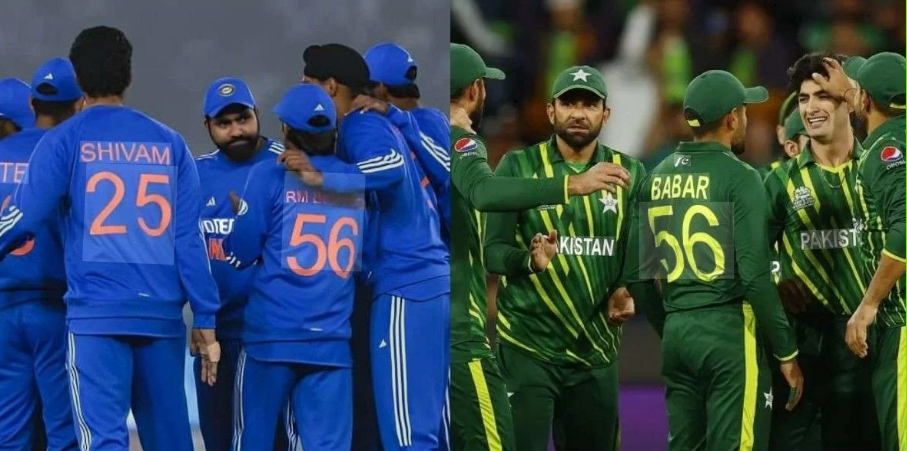
The competitive cricketing journey between India A and Pakistan A represents one of the most intense and emotionally charged rivalries in developmental cricket. While not always played at full international level, these encounters carry the same pressure, pride, and national expectations. Young players from both sides use these matches as a platform to announce themselves on a bigger stage. Every innings, every wicket, and every scorecard reflects the hunger to succeed and move into senior international cricket. Over the years, this rivalry has produced thrilling contests, breakout performances, and unforgettable moments that highlight the depth of talent in both cricketing nations.
Latest Matches Table
Date
Format
Team 1
Team 2
Winner
Margin
Venue
16 November 2025
T20
India A
Pakistan A
Pakistan A
8 wickets
Doha
19 October 2024
T20
India A
Pakistan A
India A
7 runs
Al Amerat
23 July 2023
List A
Pakistan A
India A
Pakistan A
128 runs
Colombo
19 July 2023
List A
Pakistan A
India A
India A
8 wickets
Colombo
10 August 2013
List A
India A
Pakistan A
India A
3 wickets
Singapore
25 August 2013
List A
Pakistan A
India A
India A
12 runs
Singapore
Team Statistics Summary Table
Category
Matches
Won
Lost
Tied
No Result
Win Percentage
India A Overall
6
4
2
0
0
66.67%
Pakistan A Overall
6
2
4
0
0
33.33%
India A T20
2
1
1
0
0
50.00%
Pakistan A T20
2
1
1
0
0
50.00%
India A List A
4
3
1
0
0
75.00%
Pakistan A List A
4
1
3
0
0
25.00%
Individual Batting Records Table
Player Name
Team
Matches
Runs
Highest Score
Strike Rate
Average
Tayyab Tahir
Pakistan A
2
124
108
145.88
62.00
Sai Sudharsan
India A
2
133
104
93.66
133.00
Maaz Sadaqat
Pakistan A
1
79
79
168.09
79.00
Vaibhav Suryavanshi
India A
1
45
45
160.71
45.00
Abhishek Sharma
India A
3
97
61
120.45
32.33
Tilak Varma
India A
1
44
44
125.71
44.00
Individual Bowling Records Table
Player Name
Team
Overs
Wickets
Runs Conceded
Economy Rate
Best Bowling
Shahid Aziz
Pakistan A
3.0
3
24
8.00
3/24
Anshul Kamboj
India A
4.0
3
33
8.25
3/33
Maaz Sadaqat
Pakistan A
3.0
2
12
4.00
2/12
Nishant Sindhu
India A
6.0
2
42
7.00
2/22
Rasikh Salam
India A
4.0
2
30
7.50
2/30
Sufiyan Muqeem
Pakistan A
6.0
3
52
8.66
2/28
Early Foundations of Emerging Rivalry in Development Squads
The early phase of competitive encounters between these two development sides reflected the growing cricket structure in both nations. Young players entering professional pathways were eager to prove their skills on a larger stage. These matches were not just about results but about identifying future international stars. Coaches focused on discipline, temperament, and adaptability under pressure. Batters were tested against quality pace and spin combinations, while bowlers learned to handle aggressive stroke play. Even without full international status, the intensity on the field felt high due to national pride and selection pressure. Fielding standards gradually improved as players understood the importance of small margins in close games. Every performance carried weight because selectors closely monitored consistency. These early contests laid the foundation for a competitive environment that would grow stronger over time, shaping the mindset of young cricketers and preparing them for future international challenges.
Phase
Focus Area
Batting Approach
Bowling Strategy
Key Learning
Early Development
Skill building
Technical play
Line and length
Match awareness
Talent Exposure
Selection focus
Controlled aggression
Swing usage
Pressure handling
Growth Stage
Consistency
Rotation of strike
Spin variation
Game adaptation
Competitive Entry
Performance based
Shot selection
Field setting control
Mental strength
Structured Competitive Meetings in Organized Series
As structured series began to take shape, encounters became more organized and strategically planned. Both teams approached matches with clear objectives, focusing on building strong combinations for future international duties. Batting units were evaluated on their ability to construct innings under pressure situations, while bowlers were assessed on their consistency across spells. Coaching staff emphasized situational awareness, especially during middle overs where matches often shifted direction. The importance of partnerships became more visible as teams that built stable stands tended to dominate scoreboards. Fielding units also improved significantly, saving crucial runs in tight contests. These matches were often used as testing grounds for leadership potential, allowing captains to make tactical decisions under real pressure conditions. The competitive balance between both sides ensured that no match felt one-sided, increasing the value of every performance recorded in match scorecards.
Series Type
Batting Focus
Bowling Focus
Key Situation
Outcome Factor
Multi-day
Patience
Endurance
Long sessions
Stamina
Limited overs
Acceleration
Economy control
Powerplay
Momentum
Practice series
Experimentation
Variation
Rotations
Learning curve
Competitive tour
Stability
Wicket taking
Pressure overs
Execution
Rising Intensity in Subcontinental Playing Conditions
Matches played in familiar subcontinental environments added another layer of intensity to the rivalry. Pitches often supported spin, making stroke selection extremely important for batters. Bowlers who could extract turn or reverse movement gained a significant advantage. Teams had to adjust quickly to changing pitch behavior across different days or innings. Crowd involvement, even in development fixtures, created a charged atmosphere that pushed players to perform beyond expectations. Mistakes were quickly punished, especially in closely contested matches where small partnerships or breakthroughs changed the game flow. Tactical planning became essential as captains had to read conditions accurately before setting fields or rotating bowlers. The pressure of performing in conditions similar to international venues helped players build confidence for future challenges. These matches became a proving ground for adaptability and cricket intelligence.
Condition
Batting Challenge
Bowling Advantage
Key Factor
Match Impact
Spin track
Shot timing
Turn control
Footwork
Low scoring
Flat pitch
Stroke play
Variations
Power hitting
High scoring
Slow surface
Patience
Change of pace
Strategy
Balanced games
Moist pitch
Swing control
Seam movement
Conditions reading
Early wickets
Breakthrough Performers Who Shifted Competitive Balance
Over time, certain players emerged as standout performers who changed the flow of matches with individual brilliance. Young batters began playing fearless innings under pressure, often rescuing their sides from difficult situations. Bowlers with pace and accuracy created breakthroughs at crucial stages, shifting momentum within a few deliveries. Some performances stood out due to their timing, especially in knockout-like situations where every run mattered. These players not only contributed statistically but also psychologically impacted opponents. Their presence on the field raised overall competition levels and inspired teammates to perform better. Selectors closely tracked these breakthroughs, often leading to rapid elevation into senior squads. Such performances became reference points in future encounters and were frequently discussed in team strategy meetings.
Player Role
Impact Type
Key Skill
Match Situation
Result Influence
Top order
Stabilization
Technique
Early wickets
Recovery
Middle order
Acceleration
Power hitting
Middle overs
Momentum shift
Fast bowlers
Breakthrough
Pace
Pressure spells
Collapse creation
Spinners
Control
Variation
Middle innings
Run restriction
Strategic Development in Match Planning and Execution
As competition matured, both sides adopted more structured game plans focusing on situational execution rather than individual brilliance alone. Batting strategies revolved around building partnerships and accelerating at specific stages of the innings. Bowlers were rotated based on match-ups and pitch behavior, reflecting a more analytical approach. Captains played a crucial role in adjusting strategies mid-game, responding to evolving conditions. Teams began using data-driven insights to position fielders and decide bowling sequences. This shift marked a transition from instinct-based cricket to structured planning. Execution under pressure became the defining factor, separating winning teams from losing ones. Players who adapted quickly to tactical changes gained a strong advantage in selection and performance evaluation.
Strategy Area
Execution Method
Key Objective
Advantage
Outcome
Batting plan
Partnership focus
Stability
Reduced risk
Higher totals
Bowling plan
Match-ups
Wicket control
Tactical edge
Breakthroughs
Field setup
Data use
Run saving
Pressure creation
Dot balls
Rotation plan
Workload balance
Consistency
Fitness
Sustained performance
High Scoring Encounters and Batting Dominance Phases
Certain matches witnessed dominant batting performances where bowlers struggled to contain aggressive stroke play. These encounters produced high totals, fast scoring rates, and long partnerships. Batters capitalized on fielding restrictions and weaker bowling phases, especially in the early overs. Some innings featured rapid scoring bursts that completely changed match momentum within a few overs. Bowlers attempted variations but often lacked consistency under pressure. These high-scoring games became memorable due to their entertainment value and statistical milestones. They also highlighted the importance of death over execution, where runs could easily shift the outcome. Such matches became benchmarks for future tactical planning.
Match Phase
Batting Output
Bowling Challenge
Key Event
Impact
Powerplay
Fast scoring
Field restrictions
Early boundaries
Momentum
Middle overs
Partnership build
Spin control
Rotation play
Stability
Death overs
Maximum acceleration
Yorker execution
Big hitting
Final total
Chase phase
Pressure handling
Defensive field
Run chase
Result swing
Bowling Masterclass Performances and Collapse Scenarios
In contrast to high scoring matches, several encounters were defined by exceptional bowling performances that dismantled batting line-ups. Bowlers executed disciplined spells, creating pressure through tight lines and strategic variations. Wickets fell in clusters as batters struggled to build partnerships. Some matches featured dramatic collapses where teams lost multiple wickets in quick succession, completely shifting match control. Seamers used movement effectively while spinners exploited pitch conditions. These performances emphasized the importance of patience and consistency in pressure situations. Bowling units that maintained discipline often dominated scorecards and secured comfortable victories.
Bowling Type
Key Skill
Match Impact
Collapse Trigger
Outcome
Fast bowling
Swing control
Early wickets
Top order failure
Low totals
Spin attack
Turn variation
Middle overs control
Dot ball pressure
Collapse
Reverse swing
Late movement
Death overs dominance
Mistimed shots
Quick finish
Mixed attack
Strategy
Balanced control
Pressure buildup
All-out innings
Pressure Driven Matches and Defining Turning Points
Some matches stood out due to extreme pressure situations where small decisions influenced final outcomes. Captains faced tough choices regarding bowling changes and field placements. Batters had to manage nerves while chasing or setting targets under intense scrutiny. Fielding errors or brilliant moments often decided match direction. These encounters became memorable for their unpredictability and emotional intensity. Players experienced high pressure environments that closely resembled international-level expectations. Such matches often shaped careers and defined player reputations in competitive cricket circles.
Pressure Factor
Situation
Key Decision
Result Impact
Learning
Captaincy
Bowling change
Timing
Match swing
Leadership
Batting chase
Required rate
Shot choice
Win or loss
Composure
Fielding
Catch chance
Execution
Momentum shift
Focus
Death overs
Final runs
Bowling plan
Result change
Pressure handling
Conclusion
The India A vs Pakistan A rivalry stands as a powerful reflection of cricketing depth and future potential in both nations. It is more than just a series of matches, it is a proving ground where careers are shaped and dreams are built. From pressure-filled innings to match-winning spells, these encounters consistently deliver high-intensity cricket. The scorecards tell stories of resilience, dominance, and tactical growth. As new generations continue to emerge, this rivalry remains a vital pathway for international cricket, ensuring that the competitive spirit between these two sides continues to thrive for years to come.