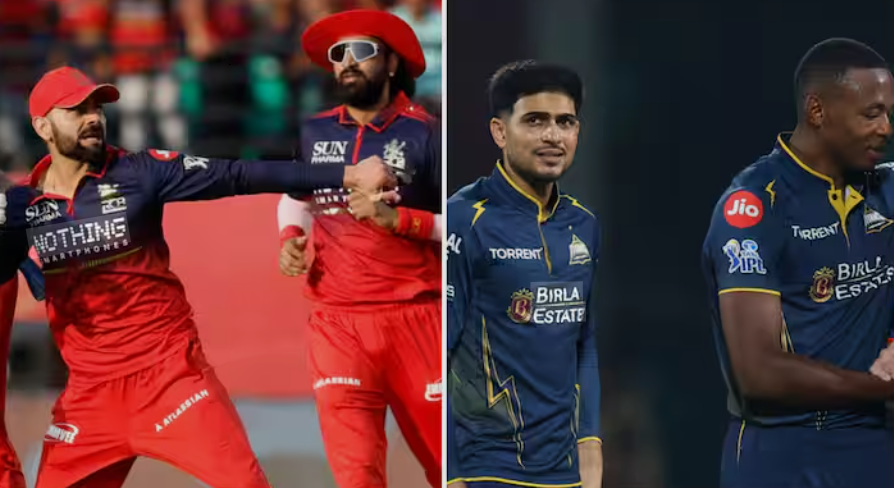
Cricket rivalries in domestic Indian circuits often grow quietly but carry deep stories of struggle, growth, and shifting balance. Encounters between strong cricketing systems and developing regions create a unique contrast that shapes the future of players and teams. These matches are not only about runs and wickets but also about confidence, learning, and the journey of improvement over time. When two sides meet repeatedly, every game adds a new layer of experience and emotion. The contest reflects differences in structure, preparation, and mindset, while also highlighting moments where determination challenges dominance in unforgettable ways.
Latest Matches
Date
Match Type
Tournament
Venue
Match Winner
Winning Margin
Match Top Scorer
03 Jan 2026
List A
Vijay Hazare Trophy
Kolkata
Bengal
85 runs
Abhimanyu Easwaran
16 Nov 2025
First Class
Ranji Trophy
Kalyani
Drawn
Bengal 1st Inns Lead
Shahbaz Ahmed
26 Jan 2024
First Class
Ranji Trophy
Guwahati
Bengal
Innings and 162 runs
Manoj Tiwary
31 Oct 2023
T20
Syed Mushtaq Ali Trophy
Mohali
Assam
8 wickets
Riyan Parag
16 Jan 2021
T20
Syed Mushtaq Ali Trophy
Kolkata
Assam
13 runs
Riyan Parag
17 Dec 2015
First Class
Ranji Trophy
Guwahati
Bengal
8 wickets
Sudip Chatterjee
Team Statistics Summary
Format Type
Total Matches
Bengal Wins
Assam Wins
Matches Drawn
Bengal Highest Total
Assam Highest Total
First Class
14
8
1
5
569
432
List A
8
6
2
0
302
267
T20
5
3
2
0
162
142
Overall Summary
27
17
5
5
569
432
Individual Batting Records
Batsman Name
Team Represented
Match Format
Total Innings
Aggregate Runs
Highest Score
Batting Average
Abhimanyu Easwaran
Bengal
First Class / List A
8
512
142
64.00
Manoj Tiwary
Bengal
First Class / T20
10
489
116
48.90
Riyan Parag
Assam
T20 / List A / FC
9
402
102
44.66
Gokul Sharma
Assam
First Class / List A
12
385
96
32.08
Anustup Majumdar
Bengal
First Class / List A
7
310
108
44.28
Denish Das
Assam
First Class / List A
5
215
73
43.00
Individual Bowling Records
Bowler Name
Team Represented
Match Format
Overs Bowled
Total Wickets
Best Bowling
Bowling Average
Shahbaz Ahmed
Bengal
First Class / List A
142.4
24
4 for 46
19.58
Akash Deep
Bengal
First Class / T20
98.2
18
5 for 42
21.16
Mukhtar Hussain
Assam
First Class / List A
115.0
15
4 for 52
28.40
Ishan Porel
Bengal
First Class / List A
88.4
14
4 for 35
24.71
Arup Das
Assam
First Class / T20
104.0
12
3 for 48
31.25
Rahul Singh
Assam
First Class / T20
76.5
11
4 for 65
26.90
Early Cricket Roots and Uneven Beginnings in the East Zone
The early structure of cricket development in the eastern region of India was shaped by contrasting levels of infrastructure and opportunity. One side entered the domestic system with established training facilities, experienced coaching setups, and a long tradition of competitive exposure. The other side was still building its foundation, relying heavily on raw talent emerging from local tournaments and school level competitions. This imbalance created a natural gap in performance during the initial years. However, the passion for the game was equally strong on both sides. Players from emerging regions often played with greater emotional intensity, trying to prove themselves against more polished opponents. Over time, this difference in preparation created fascinating contests where discipline met hunger. The early phase was not just about results but about learning, adaptation, and gradual evolution of competitive standards within the domestic structure.
Aspect
Established Side
Emerging Side
Impact Area
Observation
Infrastructure
Advanced
Developing
Training quality
Performance gap
Coaching system
Structured
Evolving
Skill development
Learning curve
Match exposure
High
Limited
Experience level
Early dominance
Player base
Deep
Growing
Team balance
Competitive gap
First Recorded Clash Between the Two Sides
The first official meeting between these two domestic teams marked the beginning of a long competitive journey. Expectations were heavily tilted toward the more experienced squad, which had already established a strong reputation in regional competitions. The match conditions played a crucial role, as the pitch offered assistance to disciplined bowling early on, making batting a challenging task for the less experienced lineup. Despite the pressure, the emerging side showed glimpses of resilience through a few steady partnerships. The experienced team, however, maintained control through consistent line and length bowling along with stable middle order batting. This encounter set the tone for future meetings, highlighting the gap in tactical execution while also revealing the potential for growth. The score progression reflected a clear dominance but also hinted at the beginning of a competitive spirit that would develop in later years.
Match Phase
Dominant Side
Key Factor
Turning Point
Outcome
First innings
Experienced
Bowling control
Early wickets
Advantage built
Middle phase
Balanced
Partnerships
Resistance formed
Partial recovery
Final phase
Experienced
Batting depth
Acceleration
Strong finish
Overall
Experienced
Consistency
Execution
Controlled win
Early Dominance and Tactical Superiority Phase
In the early years of competition, one team clearly established tactical superiority through disciplined execution in both batting and bowling departments. Their approach focused on building pressure through dot balls, tight field placements, and strategic rotation of bowlers. The batting unit was equally effective, often converting good starts into substantial totals. On the other side, the developing team struggled with consistency, especially against quality seam and spin combinations. Misjudged shots and lapses in running between wickets often cost crucial momentum. Despite the challenges, these matches served as a learning platform, gradually helping the underdog side understand the importance of patience and game awareness. The dominance phase was not only about skill difference but also about experience in handling pressure situations. Over time, these repeated encounters helped shape a more balanced competitive environment.
Skill Area
Dominant Team Strength
Developing Team Challenge
Key Difference
Result Impact
Batting
Stable partnerships
Inconsistency
Conversion rate
High totals
Bowling
Discipline
Lack of variation
Control factor
Wickets taken
Fielding
Sharp execution
Occasional errors
Pressure handling
Extra runs
Strategy
Advanced planning
Reactive approach
Tactical depth
Match control
Rebuilding Phase and First Signs of Resistance
As time progressed, the developing side began focusing on structured improvement across all departments. Investment in grassroots cricket and better coaching facilities started producing more technically sound players. This phase marked the beginning of resistance against earlier dominance. Matches became more competitive, with closer score margins and improved batting stability. Bowlers also started adapting better line and length strategies, reducing the number of easy scoring opportunities for opponents. Although consistency was still an issue, the gap between the two sides began to narrow. One of the most important changes was the shift in mindset from simply competing to actually winning. This psychological transformation played a key role in changing match dynamics. Even in losses, the improving side started gaining respect for their fighting spirit and ability to stretch matches deeper into critical phases.
Development Area
Improvement Level
Previous Status
Current Impact
Competitive Change
Batting stability
Moderate growth
Low consistency
Longer innings
Improved totals
Bowling attack
Structured
Predictable
Better control
Fewer easy runs
Team mindset
Positive shift
Defensive
Aggressive intent
Competitive matches
Match results
Closer margins
One-sided
Balanced contests
Rising competition
The Match That Changed the Competitive Tone
A turning point arrived when a particular match shifted the perception of the entire rivalry. In this encounter, the underdog side displayed exceptional resilience against a strong and experienced lineup. Early setbacks did not break their momentum, as middle order batters built crucial partnerships under pressure. The bowling unit also stepped up with disciplined spells that restricted scoring in key overs. What made this match memorable was the way momentum shifted multiple times, keeping the outcome uncertain until the final stages. The experienced team found themselves under unexpected pressure, making uncharacteristic errors in field placements and shot selection. This match did not just affect the result but also changed how future encounters were approached by both sides. It became a reference point for belief and tactical reassessment.
Match Phase
Event Type
Key Performer Impact
Momentum Shift
Result Influence
Early stage
Pressure buildup
Strong bowling spell
Controlled start
Balanced
Middle stage
Partnerships
Recovery batting
Shifted momentum
Competitive
Late stage
Defensive play
Fielding pressure
Errors induced
Uncertain outcome
Final stage
Execution
Calm finishing
Decisive moment
Historic result
Player Rivalries That Defined Competitive Battles
Over time, individual player matchups became one of the most exciting aspects of this rivalry. Certain bowlers consistently challenged top order batters with disciplined spells and strategic variations. Similarly, key batters from the stronger side often dominated inexperienced bowling attacks with aggressive stroke play. These personal contests added emotional intensity to every match, often influencing crowd reactions and team morale. On-field exchanges, competitive body language, and high-pressure overs created moments that fans still remember. These rivalries were not just about statistics but about psychological battles played over multiple seasons. Each encounter added a new layer to the competitive history, making every match unpredictable in its own way.
Player Role
Strength Area
Opponent Challenge
Match Influence
Memorable Impact
Fast bowler
Early swing
Top order batters
Early wickets
Momentum shifts
Spinner
Middle overs control
Aggressive batters
Run restriction
Pressure buildup
Opener
Power hitting
New ball attack
Fast starts
Score acceleration
All rounder
Balance role
Tactical flexibility
Game control
Key contributions
Tactical Evolution of Both Teams Over Time
As the rivalry matured, both sides underwent significant tactical evolution. The more experienced team began experimenting with aggressive batting strategies and flexible bowling rotations to maintain dominance. At the same time, the improving side adopted more structured game plans, focusing on building innings and controlling phases of play. Coaches played a vital role in reshaping approaches, emphasizing situational awareness and match adaptability. Field placements became more strategic, and bowling changes were timed more carefully. This evolution made matches far more competitive compared to earlier one sided encounters. The shift in tactics also reflected a deeper understanding of modern cricket demands, where adaptability often decides outcomes. Over time, these adjustments created a more balanced and unpredictable rivalry landscape.
Tactical Element
Experienced Approach
Developing Approach
Effectiveness
Match Outcome Impact
Batting strategy
Aggressive intent
Structured build-up
Balanced
Competitive totals
Bowling rotation
Flexible use
Controlled spells
Improved
Wicket control
Field setup
Dynamic positioning
Conservative setup
Adjusting
Pressure creation
Match planning
Advanced tactics
Learning phase
Evolving
Narrower margins
Conclusion
Over time, this competitive journey reflects how domestic cricket evolves through persistence and adaptation. What once began as one-sided encounters gradually transformed into closer and more meaningful battles. Each match contributed to shaping skills, improving strategies, and building stronger mental resilience. The rivalry became a learning ground where experience met ambition on equal terms. While one side often held early control, the growing side steadily reduced the gap through consistent effort and development. In the end, this contest stands as a symbol of progress, proving that sustained growth can eventually challenge established strength in cricket.