The Real Madrid vs FC Barcelona timeline scorecard tells a story far deeper than numbers on paper. It is a rivalry shaped by history, pride, and unforgettable football moments that have captured the imagination of fans across generations. From the first intense encounters to the era of global superstars, every match has carried pressure, passion, and purpose. This is not just a clash of two clubs but a battle of identities, styles, and philosophies. Each scorecard reflects drama, brilliance, and turning points that define football history, making El Clasico one of the most iconic and emotionally charged rivalries in the world.
Latest Matches
Date
Competition
Match Result
Top Performer
Jan 12, 2026
Supercopa Final
FC Barcelona 3–2 Real Madrid
Jules Koundé
Oct 26, 2025
La Liga
Real Madrid 2–1 FC Barcelona
Jude Bellingham
May 11, 2025
La Liga
FC Barcelona 4–3 Real Madrid
Robert Lewandowski
Apr 27, 2025
Copa del Rey
FC Barcelona 3–2 Real Madrid
Pedri
Jan 12, 2025
Supercopa Final
FC Barcelona 5–2 Real Madrid
Robert Lewandowski
Oct 26, 2024
La Liga
Real Madrid 0–4 FC Barcelona
Robert Lewandowski
Aug 04, 2024
Club Friendly
FC Barcelona 2–1 Real Madrid
Pau Víctor
Head-to-Head Summary
Category
Real Madrid
FC Barcelona
Total Wins (Official)
106
105
Total Wins (Overall)
112
129
La Liga Wins
80
76
Official Goals Scored
447
436
Largest Victory
11–1 (1943)
7–2 (1950)
Best Player Analysis
Player
Club
Key Role
Impact Level
Jude Bellingham
Real Madrid
Creative Engine
High
Lamine Yamal
Barcelona
Explosive Winger
Elite
Robert Lewandowski
Barcelona
Pure Finisher
High
Vinícius Jr.
Real Madrid
Transition Speed
Elite
Pedri
Barcelona
Midfield General
High
Top Goal Scorers All-Time
Rank
Player
Club
Goals
1
Lionel Messi
FC Barcelona
26
2
Cristiano Ronaldo
Real Madrid
18
3
Alfredo Di Stéfano
Real Madrid
18
4
Karim Benzema
Real Madrid
16
5
Raúl González
Real Madrid
15
6
César Rodríguez
FC Barcelona
14
7
Paco Gento
Real Madrid
14
8
Ferenc Puskás
Real Madrid
14
The First Encounters That Lit the Fire
The early meetings between Real Madrid and FC Barcelona were not just football matches but emotional battles fueled by regional pride and political tension. The first official clashes in the early 20th century laid the foundation for what would later become the fiercest rivalry in football history. Scorecards from those matches may look simple today, but they carried the weight of identity, with Barcelona symbolizing Catalan resistance and Madrid representing central authority. Tight contests, physical duels, and dramatic finishes quickly became a pattern. Fans were already deeply invested, turning every pass and goal into a statement. Even in those formative years, you could sense that this rivalry was destined to grow into something far beyond sport, with each encounter adding fuel to an already burning fire.
Match Year
Winner
Scoreline
Key Player
Venue
1902
Barcelona
3-1
Udo Steinberg
Madrid
1906
Madrid
2-1
Prast
Barcelona
1916
Madrid
4-1
Sotero Aranguren
Madrid
1929
Barcelona
1-0
Manuel Parera
Barcelona
Di Stefano, Cruyff and the Shift of Power
The arrival of Alfredo Di Stefano at Real Madrid changed the balance dramatically, turning the club into a European powerhouse. His influence was immediate, with dominant scorecards reflecting Madrid’s superiority. Years later, Johan Cruyff’s arrival at Barcelona sparked a revolution of its own, both as a player and later as a manager. His philosophy reshaped Barcelona’s identity, emphasizing possession and creativity. These two icons didn’t just play football, they redefined how their teams approached the game. Matches during these eras were not only competitive but symbolic of shifting power, with each side trying to outdo the other tactically and mentally. The rivalry matured, gaining layers of complexity and global intrigue.
Era
Team Dominance
Star Player
Playing Style
Impact
1950s
Real Madrid
Di Stefano
Attacking
European dominance
1970s
Barcelona
Cruyff
Total Football
Tactical revolution
1980s
Balanced
Multiple
Mixed
Competitive parity
1990s
Barcelona
Cruyff (Coach)
Possession
Identity building
El Clasico Turns Global
With the rise of television and global broadcasting, El Clasico transformed from a Spanish rivalry into a worldwide spectacle. Matches began reaching millions, and scorecards became global talking points. Superstars, media coverage, and commercial growth turned every encounter into must watch drama. The intensity remained the same, but the audience multiplied, adding pressure on players and managers alike. Every goal was replayed across continents, every mistake analyzed endlessly. This era saw the rivalry evolve into a brand, where football met entertainment, and where players became global icons. Yet beneath all the glamour, the raw competitive spirit remained intact, keeping the rivalry authentic and unpredictable.
Decade
Viewership Growth
Key Stars
Broadcast Reach
Match Intensity
1990s
Rising
Ronaldo Nazario
Europe
High
2000s
Massive
Zidane
Global
Very High
2010s
Peak
Messi, Ronaldo
Worldwide
Extreme
2020s
Digital Era
New Stars
Streaming
Consistent
The Galacticos Era vs Barcelona’s Rebuild
Real Madrid’s Galacticos era brought a collection of superstars like Zidane, Figo, and Beckham, creating a team built on individual brilliance. Meanwhile, Barcelona focused on rebuilding through youth development and tactical discipline. This contrast made their encounters fascinating, with Madrid relying on star power and Barcelona emphasizing cohesion. Scorecards often reflected this clash of philosophies, with unpredictable outcomes and dramatic moments. Barcelona’s patience eventually paid off, laying the groundwork for future dominance. These matches were not just about winning but about proving which footballing philosophy was superior, adding another compelling layer to the rivalry.
Strategy
Real Madrid
Barcelona
Outcome
Key Difference
Approach
Star Power
Youth Development
Mixed
Philosophy clash
Key Players
Zidane, Figo
Xavi, Iniesta
Balanced
Team vs Individual
Style
Direct Attack
Possession
Tactical battle
Control vs Flair
Era Impact
Commercial Boom
Identity Growth
Long term shift
Sustainability
Guardiola vs Mourinho: Tactical War Zone
When Pep Guardiola and Jose Mourinho took charge of Barcelona and Real Madrid respectively, the rivalry reached a boiling point. Their contrasting personalities and tactical approaches turned every match into a psychological battle. Guardiola’s possession based system clashed with Mourinho’s disciplined and counter attacking strategy. The scorecards from this period were intense, often reflecting high stakes and emotional pressure. Heated touchline exchanges, player confrontations, and media drama added fuel to the fire. This era was defined by mind games and tactical brilliance, where even the smallest decision could change the outcome of a match.
Manager
Team
Style
Key Strength
Rivalry Impact
Guardiola
Barcelona
Possession
Control
Dominance
Mourinho
Madrid
Counter Attack
Discipline
Resistance
Matches
Both
Tactical
Intensity
Peak rivalry
Legacy
Both
Innovation
Strategy
Historic era
Messi vs Ronaldo: The Golden Era of Individual Rivalry
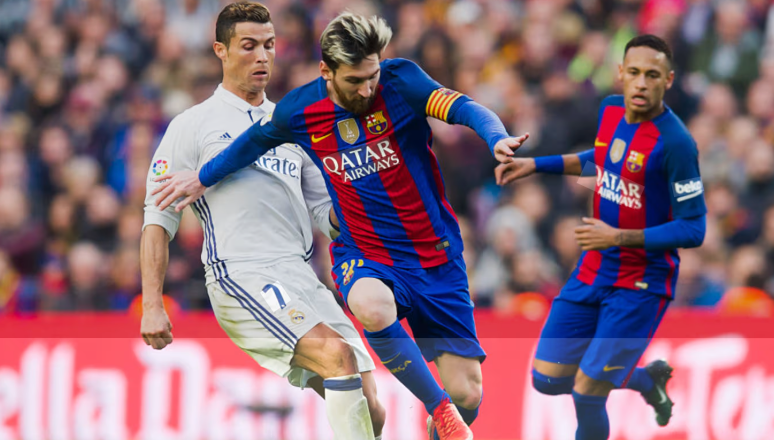
The rivalry reached its peak during the era of Lionel Messi and Cristiano Ronaldo, two players who consistently pushed each other to new heights. Every El Clasico during this period felt like a personal duel, with both players delivering extraordinary performances. Scorecards were often dominated by their goals and assists, making them the focal point of global attention. Records were broken, milestones achieved, and fans witnessed footballing greatness week after week. This era elevated the rivalry to unprecedented levels, combining team competition with individual brilliance. It was not just about Barcelona vs Real Madrid anymore, it was about Messi vs Ronaldo, a battle that defined a generation.
Player
Team
Goals in Clasico
Style
Legacy
Messi
Barcelona
26+
Playmaker
Genius
Ronaldo
Madrid
18+
Finisher
Power
Era
Both
Record Breaking
High Scoring
Legendary
Impact
Global
Massive
Iconic
Historic
Conclusion
The Real Madrid vs FC Barcelona timeline scorecard continues to grow with every passing season, adding new chapters to an already legendary rivalry. From historic legends to modern stars, the intensity has never faded, only evolved. Each match still carries the same fire, where tactics, talent, and mental strength collide under immense pressure. Fans remain at the heart of this spectacle, fueling the atmosphere and passion that define El Clasico. As new players rise and new stories unfold, this rivalry promises to remain timeless, proving that some battles in football are never truly finished, only rewritten.